The Viking grills lineup
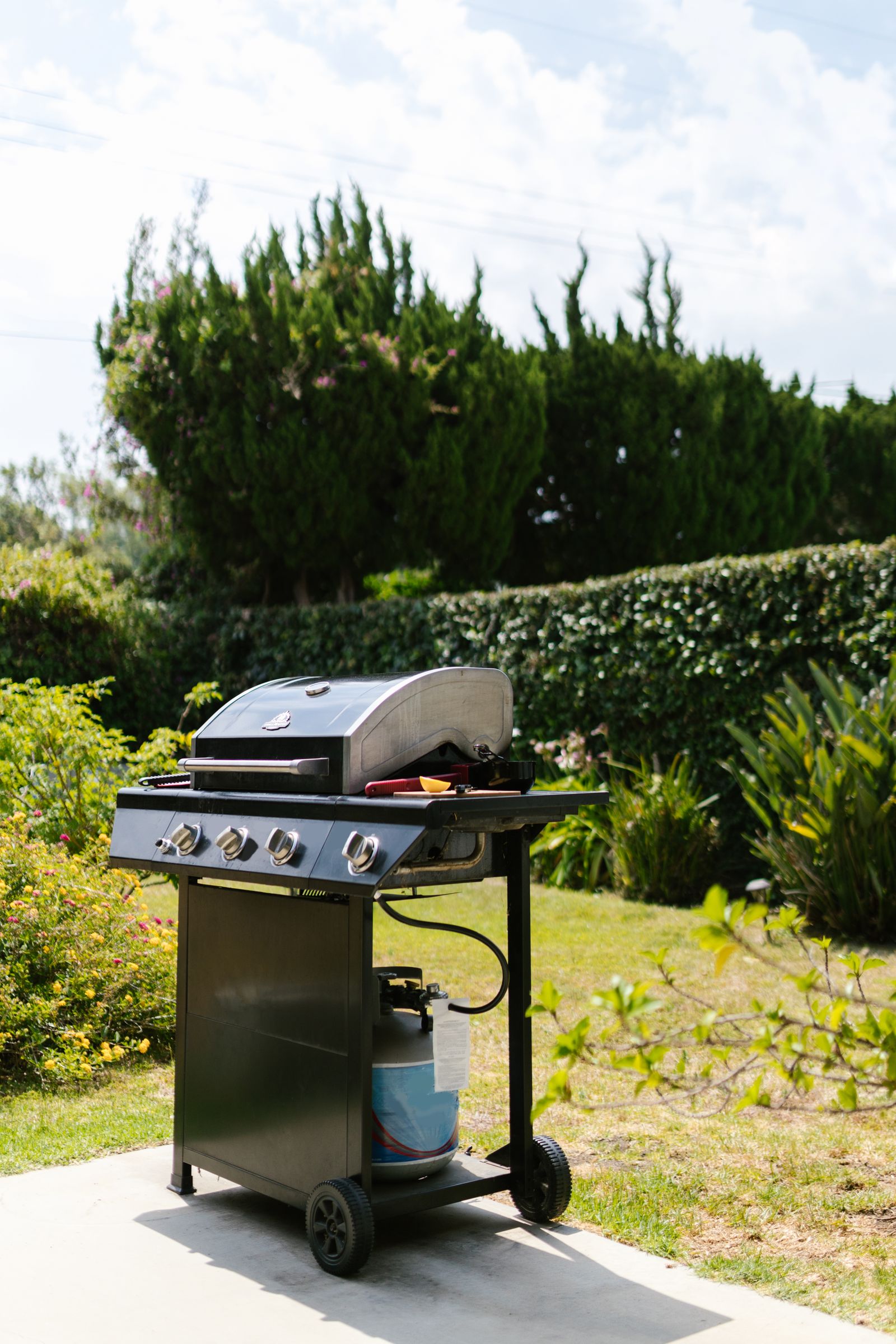
Viking grills are outdoor gas grills, built-in or on a freestanding cart, split into two generations that should never be conflated. The older generation uses stainless burners and carries the VGBQ prefix — the VGBQ53024NSS (30″ built-in, natural gas), the VGBQ53624NSS / VGBQ53624LSS (36″, NG/LP), the VGBQ4122RTN (41″), and the VGBQ5304RTL (53″, LP) — plus the Ultra-Premium VGIQ TruSear units such as the VGIQ542241NSS. The newer generation, built after the Lynx engineering came in, uses cast-brass burners: the VQGI built-ins (VQGI5361 36″, VQGI5421 42″, VQGI5541NSS 54″) and the VQGFS freestanding carts (VQGFS536, VQGFS5421, VQGFS5540, in NG and LP). You can review the current range on the manufacturer’s site at vikingrange.com and the units we service in our model directory.
Viking grills technologies that matter
A Viking grill’s cooking range comes from its burner mix, and the burner type is the single most important thing to identify before any repair. The newer VQGI and VQGFS grills use cast-brass main burners, while the older VGBQ grills use stainless burners — the parts are not interchangeable. Searing power comes from the ProSear (and ProSear 2) sear burner on the newer VQGI line, while the older Ultra-Premium VGIQ grills use a TruSear infrared burner. Rotisserie cooking runs off a Gourmet-Glo infrared rotisserie burner with a dual-position spit, ceramic radiant briquettes spread the heat evenly across stainless or cast burners, and a smoker box adds wood smoke. One critical honesty point for ignition: Viking grills light with a push-button / push-turn electronic igniter, often backed by a 9V battery — they do not use the range-only SureSpark system. Because burners, igniters, valves, and infrared assemblies differ between generations, parts matched to your exact VGBQ, VGIQ, VQGI, or VQGFS model are essential.
Common Viking grills problems
A Viking grill is fully mechanical gas with no control board and no error codes, so every fault is diagnosed by what you can observe:
- Won’t ignite — clogged burner ports, a fouled igniter, a dead 9V battery, or a tripped LP regulator.
- Igniter clicks but no flame — no gas reaching the burner, or a misaligned electrode.
- Uneven heat / hot and cold spots — a clogged burner or displaced ceramic briquettes.
- Low flame across the grill — a regulator stuck in LP “bypass” mode after the tank valve was opened too fast.
- Frequent flare-ups — grease buildup in the drip tray or on the briquettes.
- Rotisserie won’t turn, or the infrared/ProSear burner won’t glow — a motor, igniter, or burner fault.
For step-by-step guidance on these symptoms, see our Viking grill troubleshooting.
Maintenance essentials
- Burn off and brush the grates, and clear clogged burner ports, before each season.
- Empty and clean the drip tray so grease flare-ups do not start.
- Open an LP tank valve slowly to avoid tripping the regulator into bypass.
- Replace the 9V igniter battery when ignition gets sluggish.
- Cover the grill and protect the cast-brass or stainless burners from the elements.
Choosing and installing a Viking grill
A Viking grill is chosen first by build, then by burner generation and size. A built-in VGBQ or VQGI model drops into a masonry or non-combustible outdoor island and is plumbed to a natural-gas line or an LP tank, and it needs proper combustion clearance and ventilation built into the island design; a VQGFS freestanding cart rolls into place and runs off LP, making it the flexible choice for a patio or a rental. The burner generation matters for both cooking and future parts: the newer VQGI / VQGFS line with cast-brass burners and a ProSear sear zone is what’s current, while an older VGBQ with stainless burners or a VGIQ with a TruSear infrared burner is still very serviceable but uses different, generation-specific parts. Size runs from a compact 30″ up to a 54″ entertainer’s grill with room for a rotisserie, a sear burner, and a smoker box at once. Fuel type is set at purchase — a natural-gas model and an LP model use different orifices and regulators and should not be swapped without the correct conversion. Confirming your exact model, its generation, and its fuel lets a technician arrive with the right burner, igniter, regulator, or infrared part for a lasting repair. To match the grill to the rest of an outdoor Viking kitchen, browse our model directory.
When to call for Viking grill repair
Gas valves and regulators, cast-brass or stainless burners, infrared ProSear and TruSear assemblies, rotisserie motors, and igniters are best handled by experienced, specialist technicians who can isolate the fault and fit Viking-specific parts from trusted suppliers, especially given the gas safety involved. Note the symptom, the grill generation, and your model number when you book. Diagnostic visits start from $129, with a 30-day labor warranty on the workmanship; the total depends on parts and configuration. Schedule Viking grill repair, browse the grill troubleshooting guide, or book an appointment online.