Choosing a viking built-in grill over a freestanding cart comes down to whether you want a permanent outdoor kitchen or a grill you can move, not which performs better.
Viking outdoor grills are fully mechanical gas — stainless or cast-brass burners, ceramic radiant briquettes, push-button or push-turn electronic ignition, and a 9V battery on battery models — with no control board and no codes, so every diagnosis is symptom-led: confirm gas and ignition, then work the ports, the igniter, and the regulator. We start with the everyday causes you can check yourself, then explain the signs that point to a part that genuinely needs a hands-on repair.
What a viking built-in grill usually means
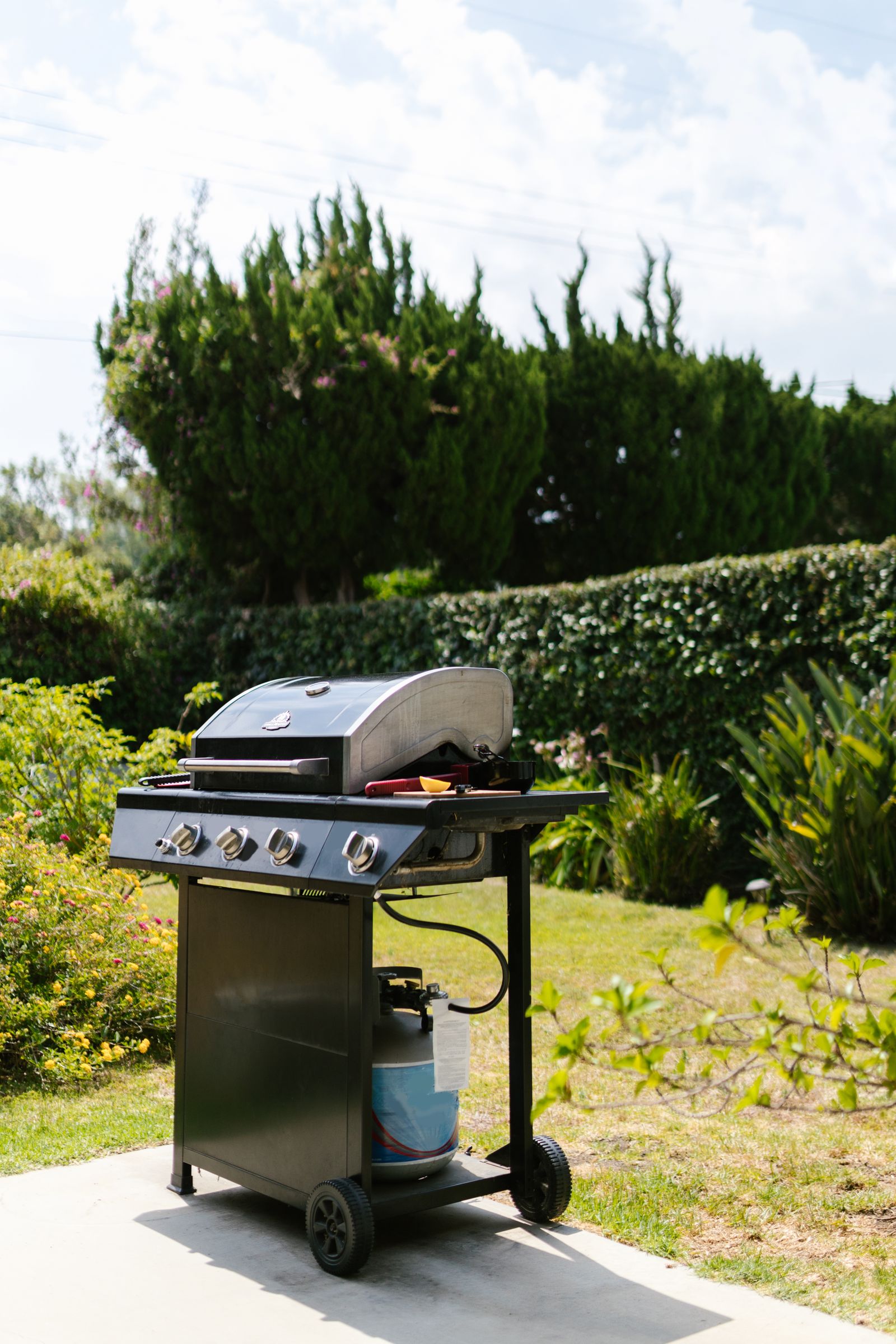
Viking built-in grills (newer VQGI cast-brass, older VGBQ stainless) are designed to drop into a masonry or cabinet island, becoming a fixed part of an outdoor kitchen, and are usually plumbed to natural gas or a dedicated LP line. Freestanding cart grills (VQGFS) sit on a rolling cart with wheels and can run on an LP tank or natural gas, giving flexibility and portability.
Choosing well here is less about which option is objectively best and more about which one fits your kitchen, your space, and how you actually cook. Each choice has genuine strengths, and the wrong fit is usually a mismatch with the home rather than a bad product. The comparison below lays out the practical trade-offs in plain terms so you can weigh them against your own situation rather than a generic recommendation.
Common symptoms and what they point to
Matching the exact symptom to its likely cause is how you avoid replacing the wrong part. Compare what you are seeing to the patterns below:
- Choose a built-in (VQGI/VGBQ) for a permanent outdoor island with a clean integrated look.
- Choose a freestanding cart (VQGFS) if you want a movable grill or rent rather than own.
- Both can be configured for natural gas or LP — confirm the fuel before buying.
- Newer VQGI grills use cast-brass burners and ProSear; older VGBQ grills use stainless burners.
Read these as a practical summary rather than a strict checklist. The thread running through them is that Viking engineers these systems to behave predictably, so once you know the principle, the day-to-day signs make sense and you can act on the right one. Keep the verified details in mind — especially any point that corrects a common misconception — and you will make better decisions about use, upkeep, and when a repair is actually warranted.
Getting it right for the long run
Whichever way you lean, factor in the practical side of ownership as well as the headline features: installation requirements, the gas or electrical supply, how easy each option is to clean and maintain, and how a future repair would play out. An option that fits your kitchen and habits will feel right for years, while a mismatch becomes a daily irritation no feature list can offset. Weigh the trade-offs against your own situation rather than a generic verdict, and the choice usually becomes clear.
Putting it together
Work the checks above in the order given. Most Viking grill faults of this kind clear at one of the early, owner-checkable steps; the ones that do not point to a specific part and are worth a proper diagnosis rather than guesswork. Move from the simplest cause outward, confirm each step before the next, and treat a returning code or a lingering symptom as your cue to bring in help. A little routine care afterwards prevents most repeat calls, since Viking builds these grills to a heavy-duty, professional-grade standard.
Related reading: how Viking grill sear burners work, Viking grill models, and our grill repair service.
Book Viking grill service
If these steps do not resolve it, our experienced technicians repair Viking grills with genuine parts and a 30-day labour guarantee. Schedule a visit, see what our grill repair service covers, or confirm your model details on the manufacturer’s site at vikingrange.com.