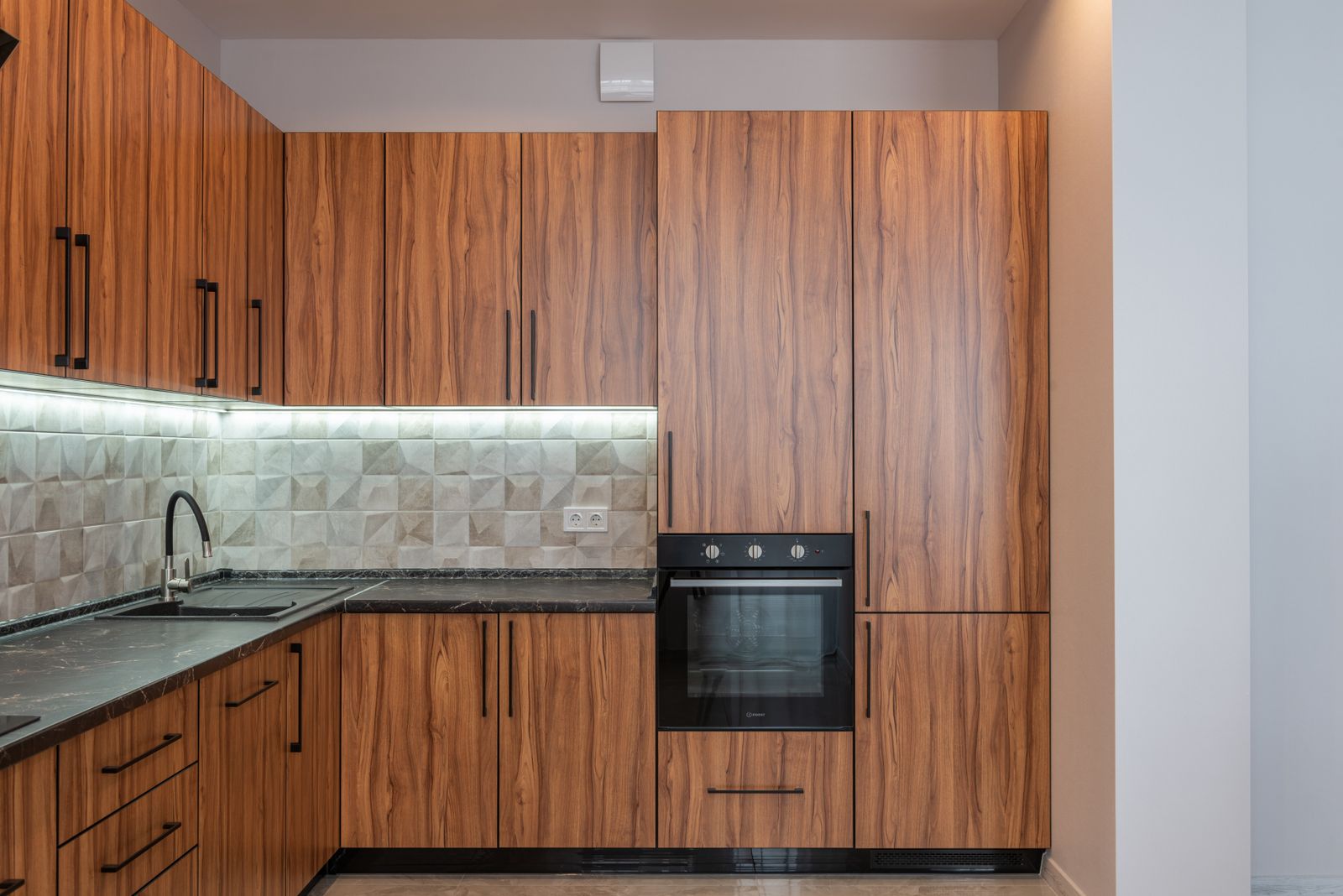
A viking oven self-clean cycle uses intense heat to burn baked-on residue to ash, and understanding it explains both why the door locks and how the latch codes relate.
Viking electric and dual-fuel wall ovens use an electronic control (EOC) with an RTD temperature sensor and display real F-codes, but the meaning shifts by EOC generation — F1/F2/F3 on the older board, F01-F08 on the EOC4 — so an F-number plus a power reset, read against the right generation, usually identifies whether a sensor, the door latch, or the board is involved. We start with the everyday causes you can check yourself, then explain the signs that point to a part that genuinely needs a hands-on repair.
What a viking oven self-clean usually means
Viking electric wall ovens use a pyrolytic self-clean: the cavity heats to a very high temperature that reduces grease and spills to a fine ash, which you wipe out once cool. For safety the motorized latch locks the door for the whole cycle and keeps it locked until the cavity cools below a safe threshold. On EOC4 ovens, a latch that does not behave shows as F01 (door latch) or F07 (door switch).
Understanding how this works pays off in two ways. First, it sets the right expectations, so you can tell the difference between normal behaviour and a genuine fault instead of calling for service over something that is working as designed. Second, when something does go wrong, knowing the underlying mechanism helps you describe the symptom accurately and points you and the technician toward the right part faster. The details below explain the principle in plain terms, then translate it into what you will actually notice day to day.
Common symptoms and what they point to
Matching the exact symptom to its likely cause is how you avoid replacing the wrong part. Compare what you are seeing to the patterns below:
- The door locks automatically at the start and stays locked until the oven cools — this is normal, not a fault.
- Expect smoke or odour during the cycle; ventilate the kitchen.
- Wipe out the fine ash with a damp cloth once the oven is fully cool.
- A latch that will not release after cooling shows F01 (latch) or F07 (door switch) on EOC4 controls.
Read these as a practical summary rather than a strict checklist. The thread running through them is that Viking engineers these systems to behave predictably, so once you know the principle, the day-to-day signs make sense and you can act on the right one. Keep the verified details in mind — especially any point that corrects a common misconception — and you will make better decisions about use, upkeep, and when a repair is actually warranted.
Getting it right for the long run
It is worth separating the feature from the faults that can affect it. The technology itself is reliable, but it still depends on the basics being right — clean filters and vents, a good door seal, the correct settings, and steady power or gas. When one of those slips, the feature can appear to misbehave when the real cause is elsewhere. So if something seems off, check the fundamentals first and only then suspect the feature or its dedicated parts, which is the same logic a Viking technician applies on a service call.
Putting it together
Work the checks above in the order given. Most Viking oven faults of this kind clear at one of the early, owner-checkable steps; the ones that do not point to a specific part and are worth a proper diagnosis rather than guesswork. Move from the simplest cause outward, confirm each step before the next, and treat a returning code or a lingering symptom as your cue to bring in help. A little routine care afterwards prevents most repeat calls, since Viking builds these ovens to a heavy-duty, professional-grade standard.
Related reading: Viking oven door stuck locked, Viking oven F01 door latch error, and our oven repair service.
Book Viking oven service
If these steps do not resolve it, our experienced technicians repair Viking ovens with genuine parts and a 30-day labour guarantee. Schedule a visit, see what our oven repair service covers, or confirm your model details on the manufacturer’s site at vikingrange.com.