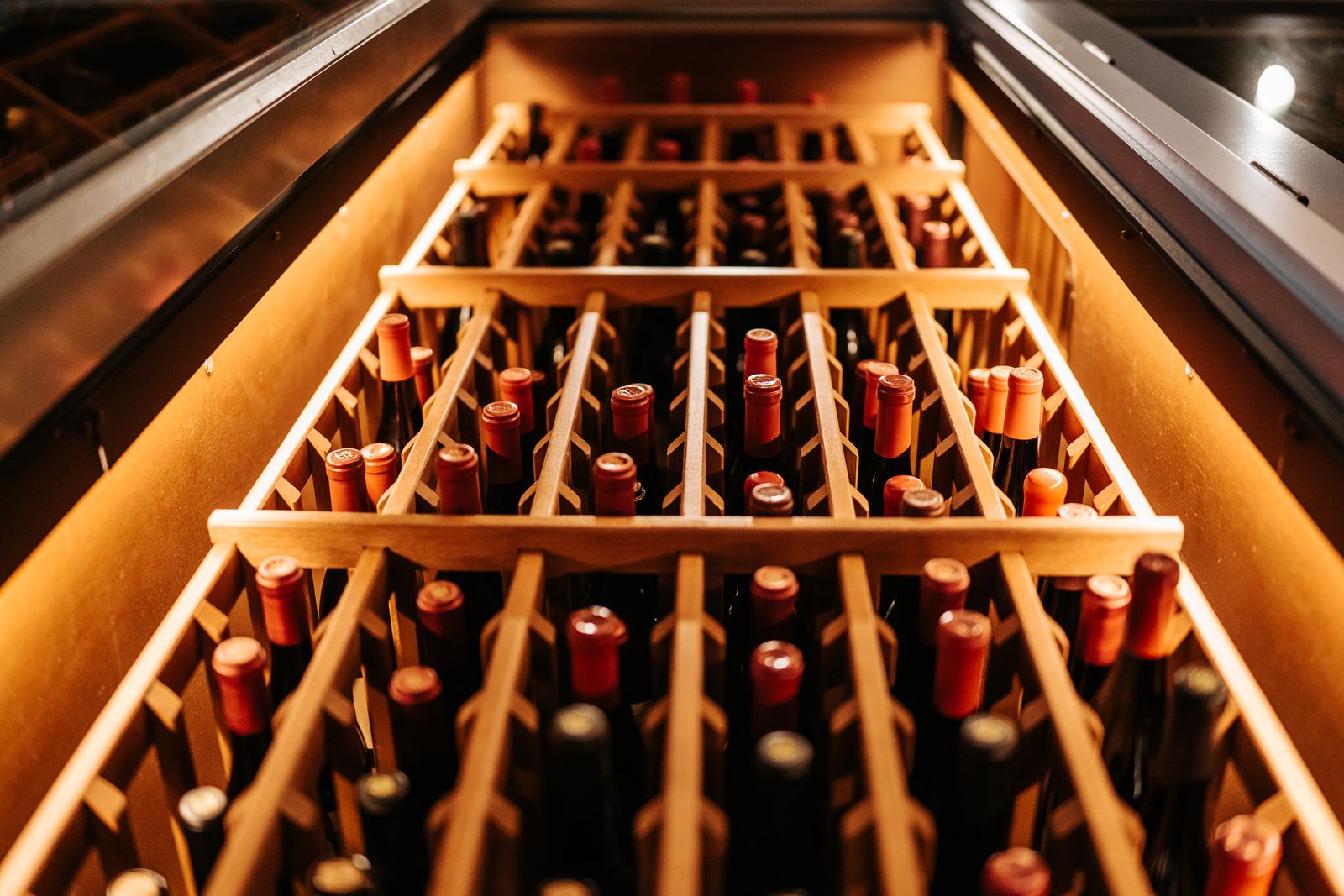

A short viking wine cellar maintenance routine keeps the cabinet holding temperature and the door sealing, and it prevents the cooling and door-alarm faults that otherwise end in a service call.
Viking wine cellars use Dynamic Cooling with a Vibration Neutralization System and give indicators — a Door Ajar alert and the usual temperature behaviour — rather than a code catalogue, so diagnosis is symptom-led around the condenser, the door seal, the evaporator fan, and the setpoints. We start with the everyday causes you can check yourself, then explain the signs that point to a part that genuinely needs a hands-on repair.
What a viking wine cellar maintenance usually means
Viking wine cellars reward simple care. The condenser, the door gasket and glass seal, and clear ventilation are what let the unit hold a steady temperature. A dusty condenser, a poor seal, or restricted airflow are behind most warm-cabinet and Door Ajar complaints, and addressing them early keeps the repair small.
A short, regular routine here prevents the large majority of the service calls these appliances generate, because most faults of this kind grow slowly out of neglected upkeep rather than appearing out of nowhere. The tasks below take only minutes and need no special tools, yet they keep the appliance efficient, prevent odours and blockages, and catch small problems while they are still cheap to fix.
Common symptoms and what they point to
Matching the exact symptom to its likely cause is how you avoid replacing the wrong part. Compare what you are seeing to the patterns below:
- Clean the condenser so the unit can shed heat and hold temperature.
- Check the door gasket and the dual-pane glass seal close fully.
- Keep the vents and any clearance space clear so airflow is not restricted.
- Verify each zone setpoint is correct and not changed by accident.
Read these as a practical summary rather than a strict checklist. The thread running through them is that Viking engineers these systems to behave predictably, so once you know the principle, the day-to-day signs make sense and you can act on the right one. Keep the verified details in mind — especially any point that corrects a common misconception — and you will make better decisions about use, upkeep, and when a repair is actually warranted.
Getting it right for the long run
None of these tasks requires special equipment or much time — the value is in doing them consistently rather than waiting for a problem. Build them into a simple schedule and they stop feeling like chores, while the appliance rewards you with steadier performance, fewer odours and blockages, and a longer life. A neglected filter, vent, burner port, or seal is behind a surprising share of service calls, and every one of those is the kind of fault this routine quietly prevents. If you ever notice a new noise, smell, or drop in performance, treat it as early feedback worth acting on.
Putting it together
Work the checks above in the order given. Most Viking wine cellar faults of this kind clear at one of the early, owner-checkable steps; the ones that do not point to a specific part and are worth a proper diagnosis rather than guesswork. Move from the simplest cause outward, confirm each step before the next, and treat a returning code or a lingering symptom as your cue to bring in help. A little routine care afterwards prevents most repeat calls, since Viking builds these wine cellars to a heavy-duty, professional-grade standard.
Related reading: Viking wine cellar not cooling, Viking wine cellar door alarm, and our wine cellar repair service.
Book Viking wine cellar service
If these steps do not resolve it, our experienced technicians repair Viking wine cellars with genuine parts and a 30-day labour guarantee. Schedule a visit, see what our wine cellar repair service covers, or confirm your model details on the manufacturer’s site at vikingrange.com.