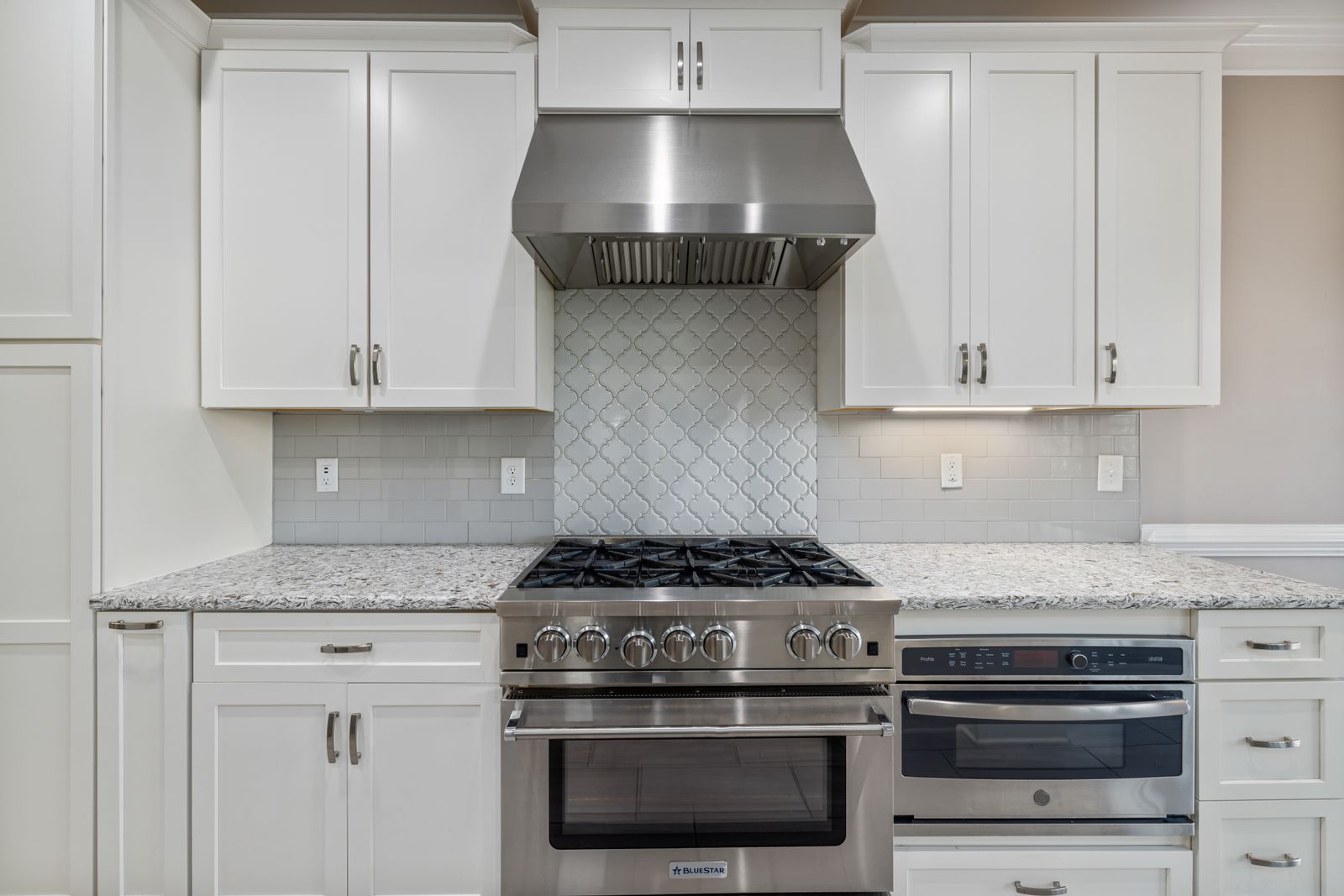
A correct viking range installation prevents the weak-flame, no-light, and uneven-oven problems that otherwise appear on the very first use.
A Viking range pairs a cooktop with an oven, and the two halves diagnose differently: the gas burners are mechanical and symptom-led (no burner code table exists), while an electric or dual-fuel oven cavity reports the same EOC F-codes as the wall ovens — F1/F2/F3 on older boards, F01-F08 on the EOC4. We start with the everyday causes you can check yourself, then explain the signs that point to a part that genuinely needs a hands-on repair.
What a viking range installation usually means
Most brand-new range issues are install errors, not defects. The burners need the correct orifice for natural gas or LP, the gas line must be leak-tested, the anti-tip bracket must be fitted, the range must be level, and dual-fuel or electric models need the correct dedicated circuit. Skipping any of these shows up immediately as a poor flame, a tripped breaker, or uneven baking.
First checks you can do
Start with the checks you can safely do yourself. Each one rules out a common, inexpensive cause, and together they resolve the majority of cases without a service visit:
- Confirm the burners have the correct orifice for your gas type (natural gas vs LP) and convert with the proper kit if needed.
- Leak-test the gas connection with soapy water before lighting anything.
- Fit the anti-tip bracket — it is a safety requirement, not optional.
- Level the range and, for dual-fuel/electric, confirm the dedicated circuit matches the rating plate.
Take these in order and test whether the problem has cleared before moving to the next. If you do end up needing help, having worked through them gives the technician a useful head start.
When it is a fault, not a habit
If the everyday checks above do not resolve it, the problem has likely moved from something you can adjust to a component that needs testing or replacing. These are the signs that point that way:
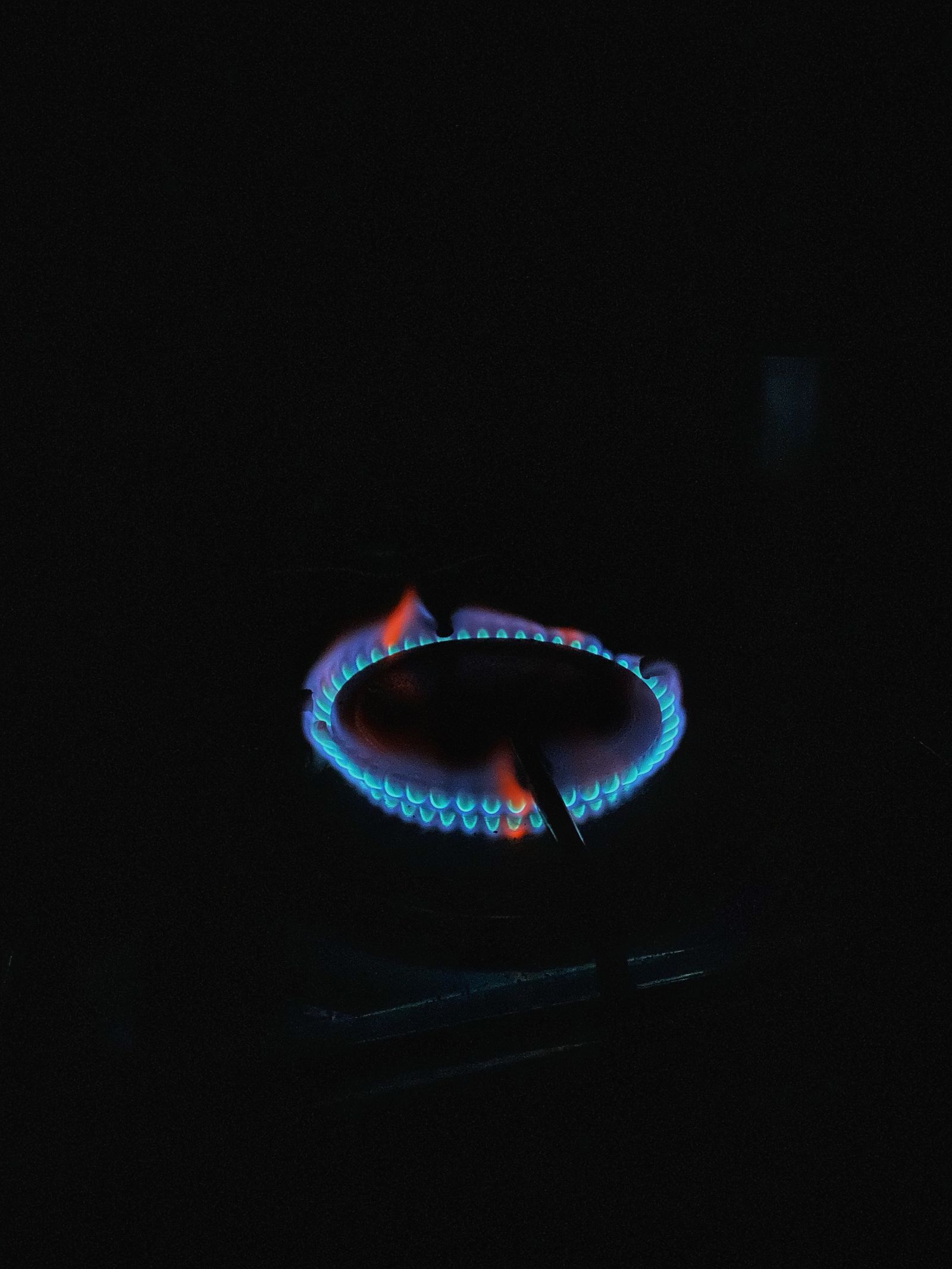
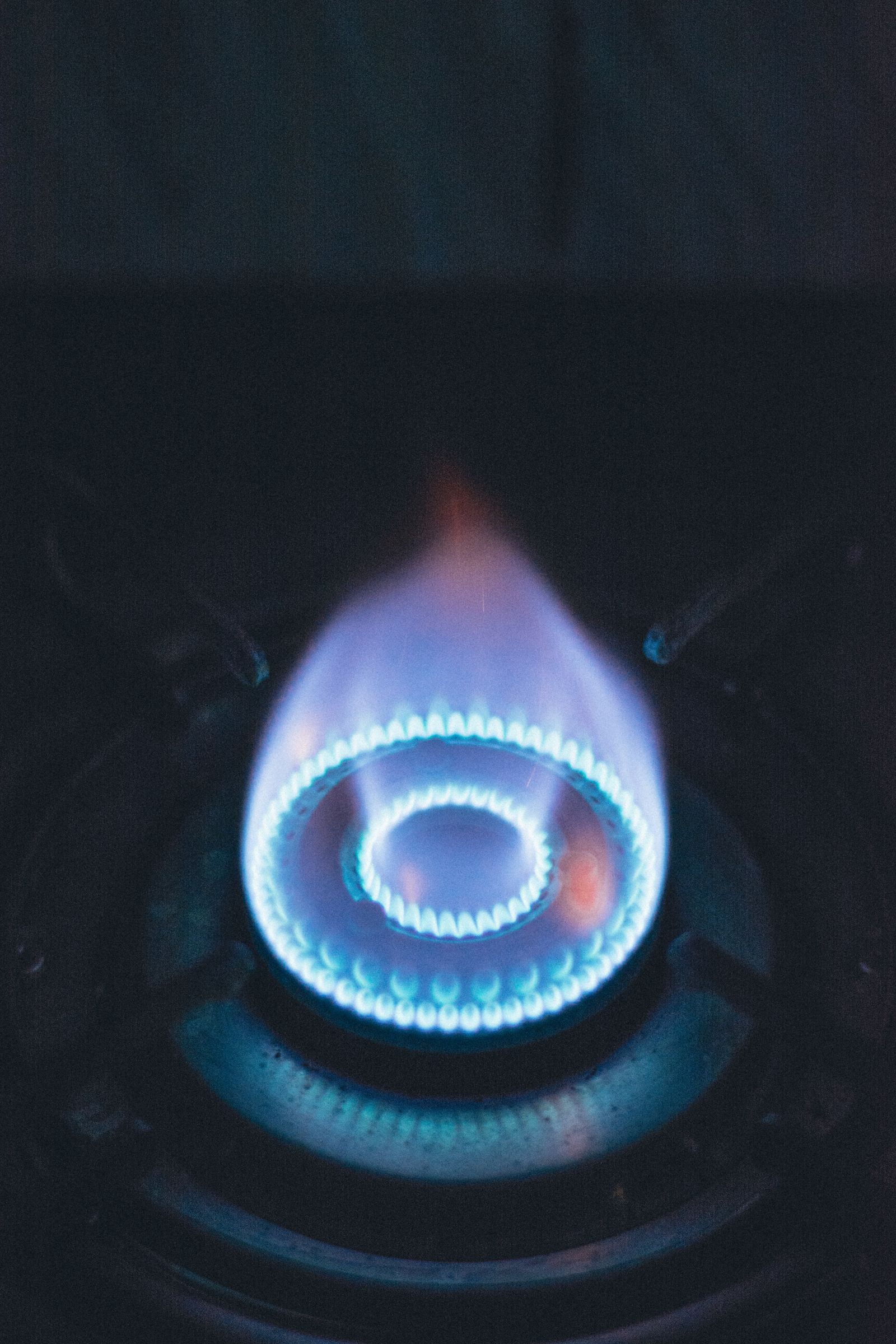
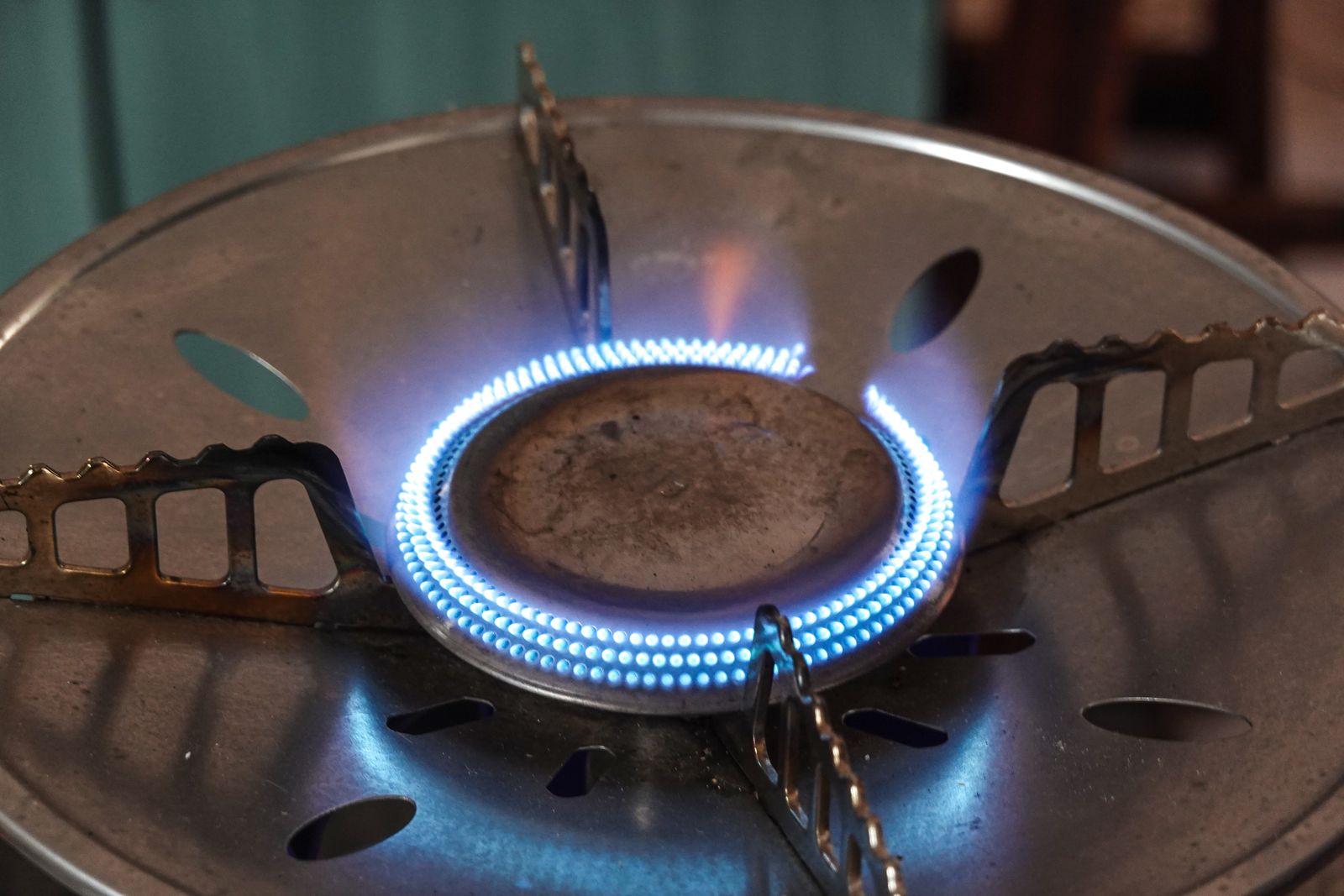
- A weak or orange flame on first use usually means the wrong orifice for the gas supply.
- A dual-fuel oven that will not heat on first use can be a wrong or undersized circuit.
- A range that rocks was not levelled and may bake unevenly.
At this point a proper diagnosis beats guesswork, since the remaining causes involve a specific part or electrical testing. An experienced technician can meter the suspect component and fit a genuine Viking part so the repair lasts.
Getting it right for the long run
After the unit is connected, run a short first use and watch it closely. Confirm there are no gas or water leaks at any connection, check that the appliance is steady and level, and make sure the burners light cleanly or the cavity heats as expected. Catching a loose fitting or an overlooked step now, while everything is still accessible, is far easier than diagnosing it later. A few minutes of observation at the end of the install saves a service call down the line.
Putting it together
Work the checks above in the order given. Most Viking range faults of this kind clear at one of the early, owner-checkable steps; the ones that do not point to a specific part and are worth a proper diagnosis rather than guesswork. Move from the simplest cause outward, confirm each step before the next, and treat a returning code or a lingering symptom as your cue to bring in help. A little routine care afterwards prevents most repeat calls, since Viking builds these ranges to a heavy-duty, professional-grade standard.
Related reading: Viking range burner won’t light, Viking range maintenance, and our range repair service.
Book Viking range service
If these steps do not resolve it, our experienced technicians repair Viking ranges with genuine parts and a 30-day labour guarantee. Schedule a visit, see what our range repair service covers, or confirm your model details on the manufacturer’s site at vikingrange.com.