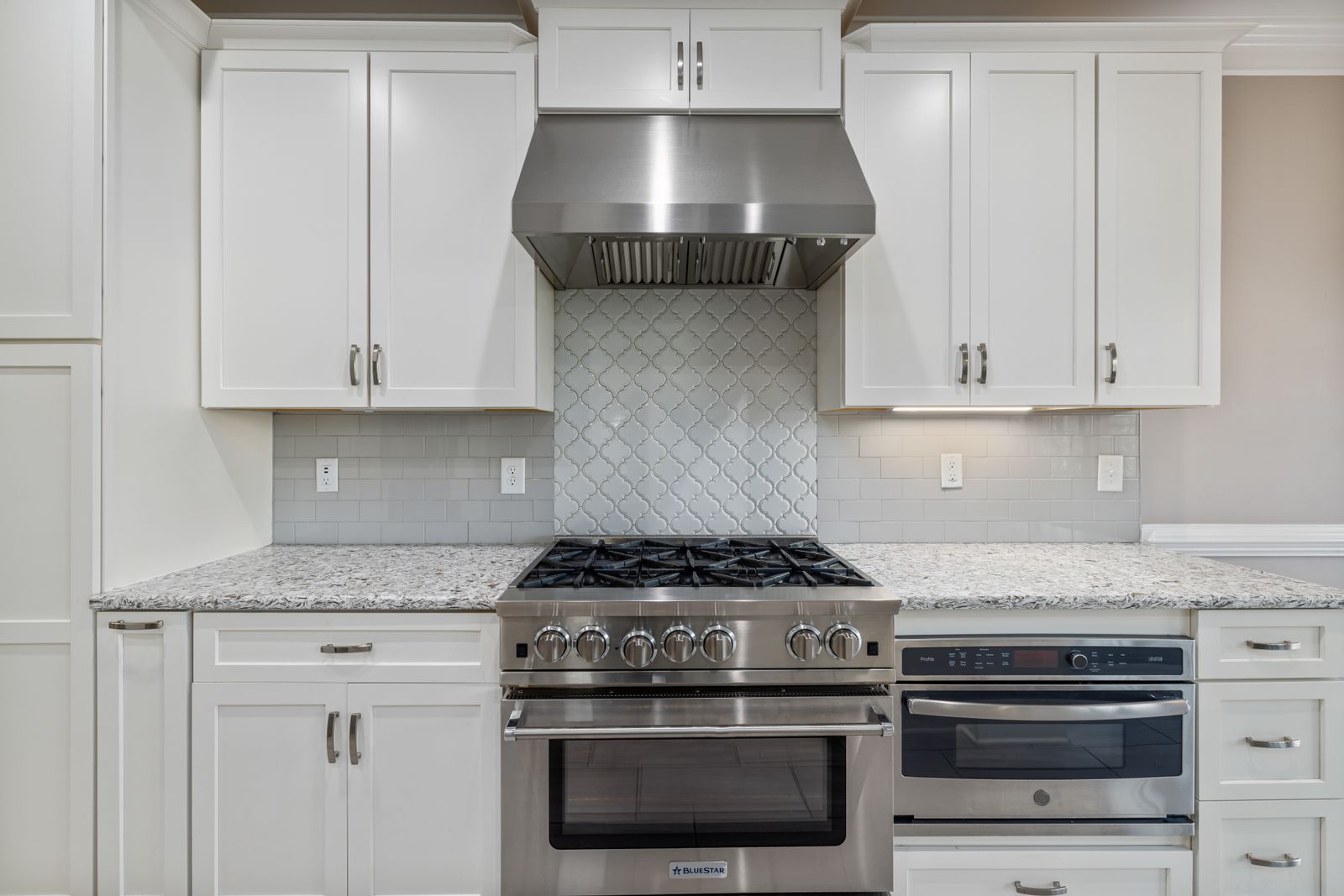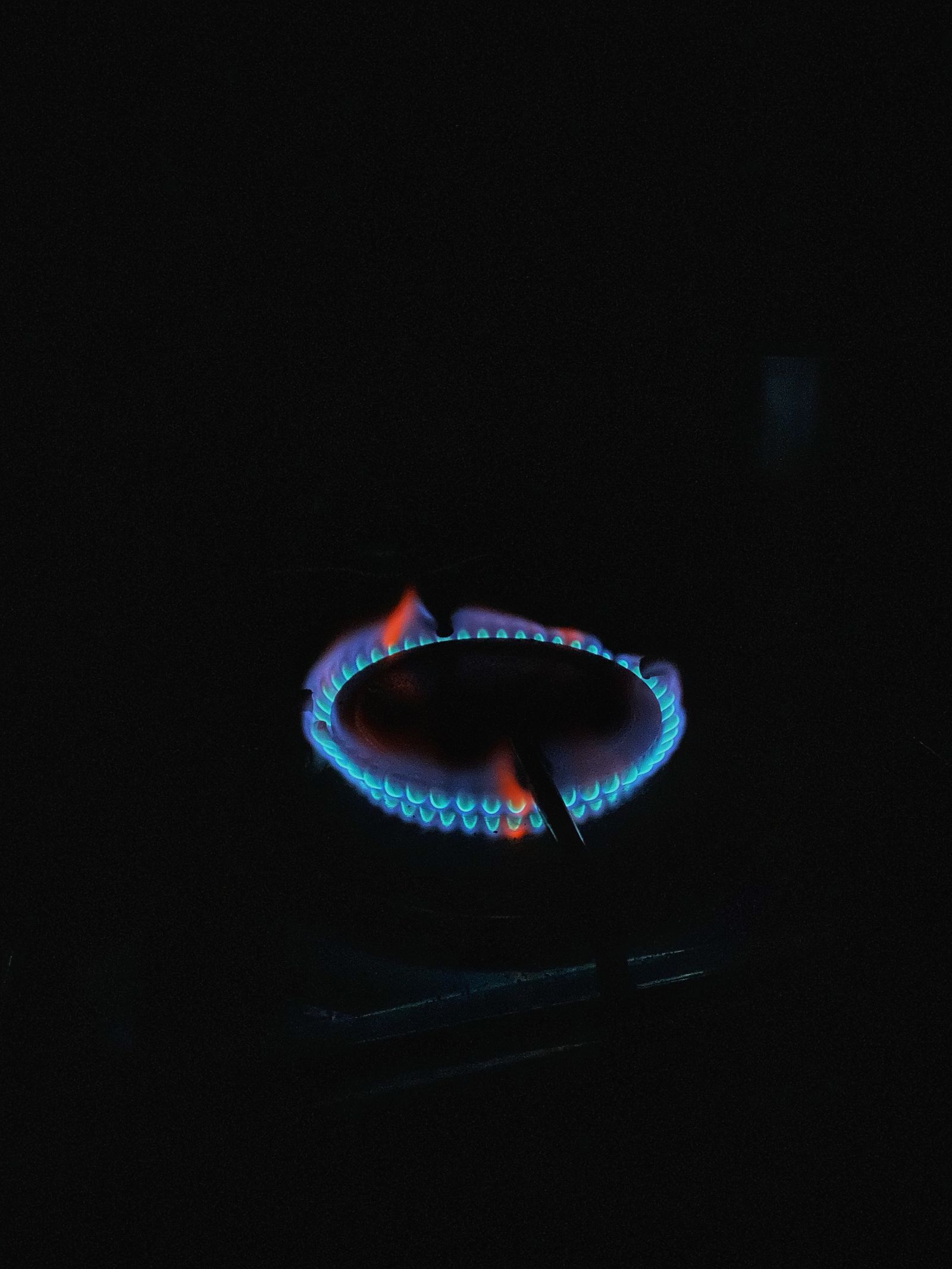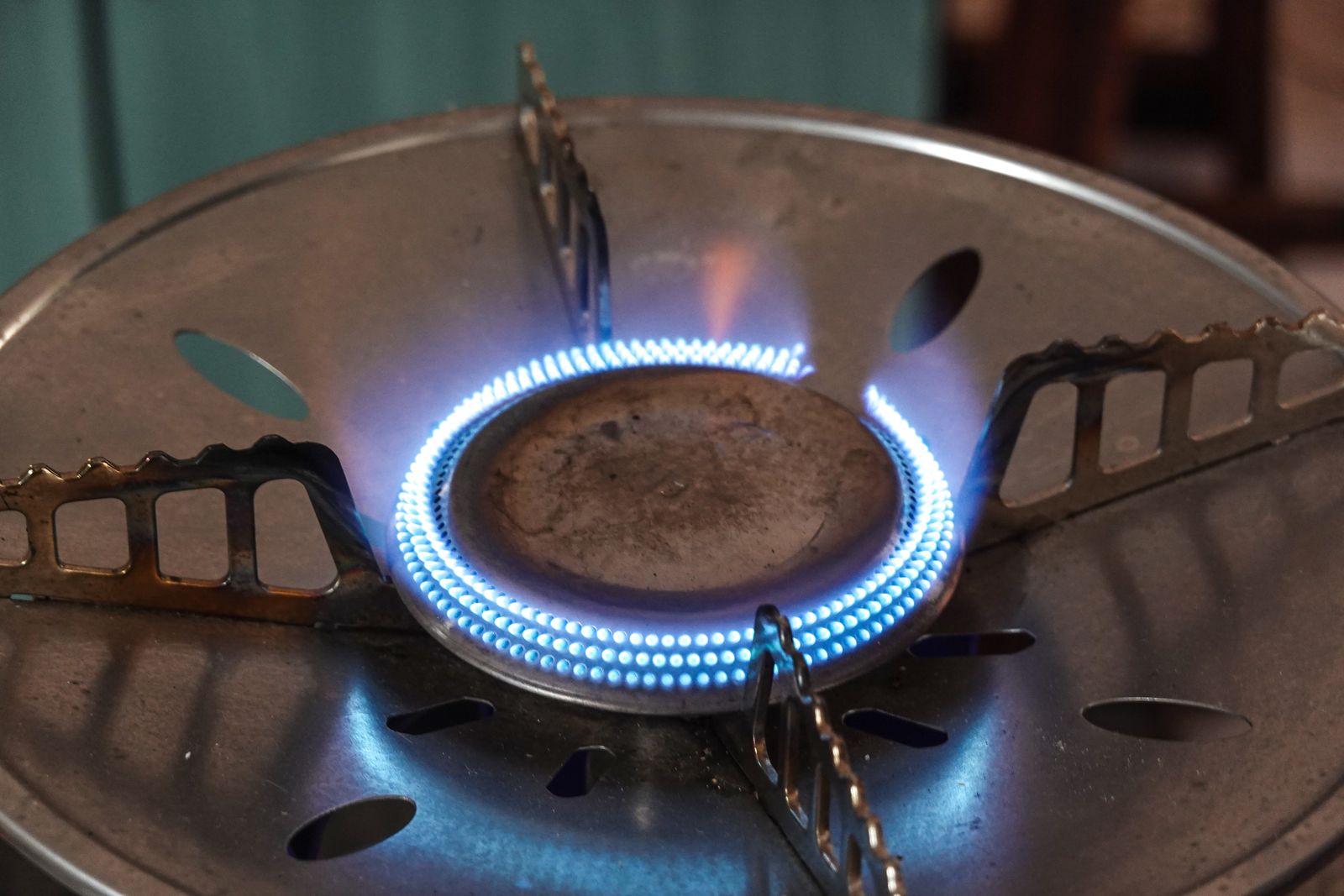
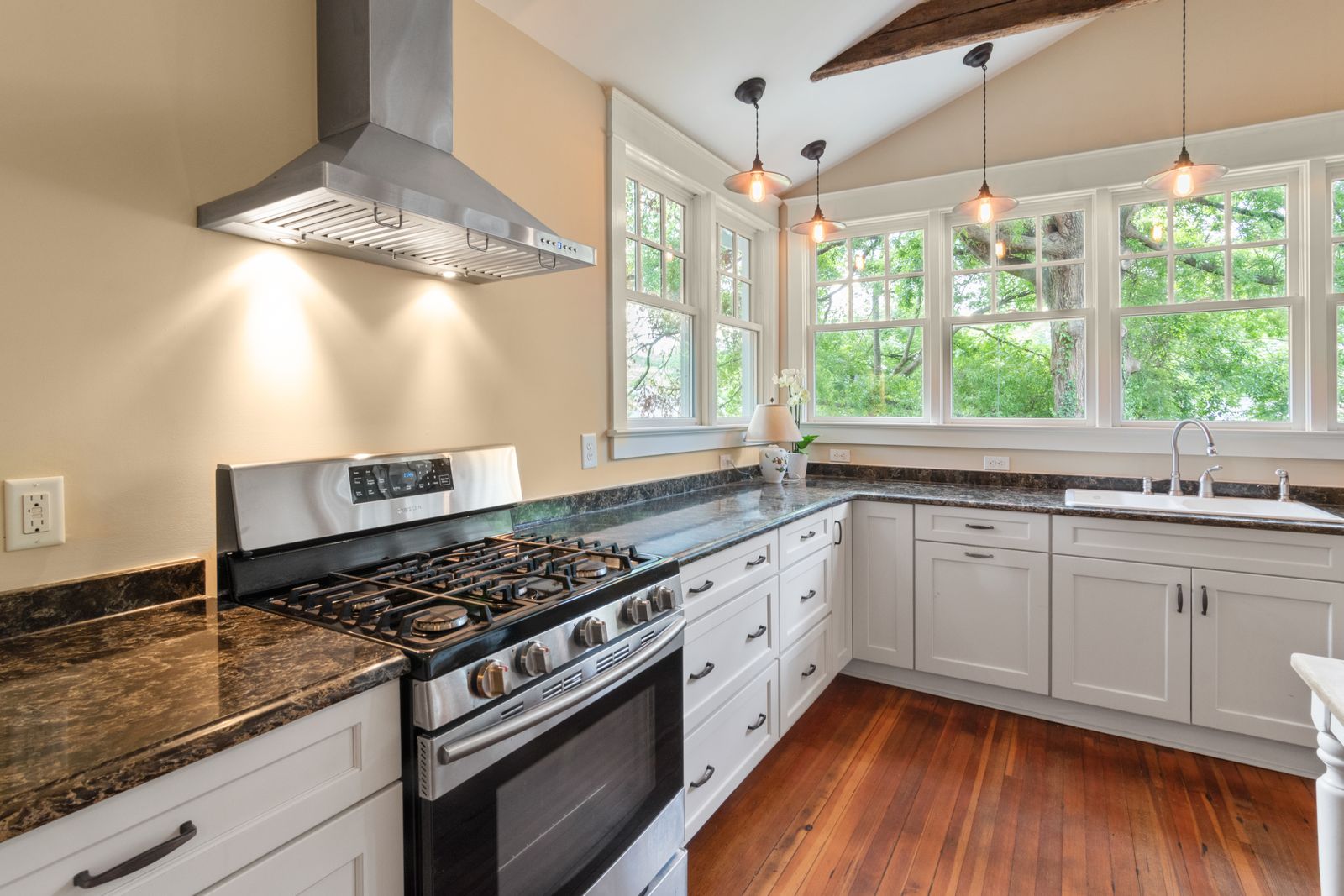
A viking range igniter clicking non-stop — even with the knobs off — is the SureSpark system repeatedly trying to fire because it senses the burner is not lit.
A Viking range pairs a cooktop with an oven, and the two halves diagnose differently: the gas burners are mechanical and symptom-led (no burner code table exists), while an electric or dual-fuel oven cavity reports the same EOC F-codes as the wall ovens — F1/F2/F3 on older boards, F01-F08 on the EOC4. We start with the everyday causes you can check yourself, then explain the signs that point to a part that genuinely needs a hands-on repair.
What a viking range igniter clicking usually means
Viking SureSpark provides automatic re-ignition, so anything that keeps a burner from establishing a steady flame makes the igniter keep clicking. The usual trigger is moisture or spilled food bridging the spark electrode, or a burner cap out of position. There is no code — this is purely symptom-led.
First checks you can do
Start with the checks you can safely do yourself. Each one rules out a common, inexpensive cause, and together they resolve the majority of cases without a service visit:
- Dry the entire burner area thoroughly — clicking right after cooking or cleaning is almost always moisture on the electrode.
- Lift off the cap and clean the electrode and the gap around it with a soft brush.
- Reseat the burner cap flat and centered so the flame can establish and stop the re-ignition.
- If only one burner clicks, swap its cap with a known-good one to confirm the cap versus the electrode.
Take these in order and test whether the problem has cleared before moving to the next. If you do end up needing help, having worked through them gives the technician a useful head start.
When it is a fault, not a habit
If the everyday checks above do not resolve it, the problem has likely moved from something you can adjust to a component that needs testing or replacing. These are the signs that point that way:
- Clicking continues with everything clean, dry, and seated — the spark switch behind the knob or the spark module may be stuck.
- A cracked electrode insulator leaks the spark to the burner body and clicks continuously.
- Several burners clicking at once points to the shared spark module rather than one electrode.
At this point a proper diagnosis beats guesswork, since the remaining causes involve a specific part or electrical testing. An experienced technician can meter the suspect component and fit a genuine Viking part so the repair lasts.
Getting it right for the long run
If the basics here do not clear it, resist the urge to start swapping parts at random. The remaining causes usually involve a specific component that needs testing, and a confident diagnosis is what keeps the repair affordable and the appliance reliable afterwards. A skilled technician can confirm the cause, fit a genuine Viking part, and stand behind the labour, which is a better outcome than guesswork. Knowing where the line falls between an easy self-fix and a real repair is the most useful thing to take from this guide.
Putting it together
Work the checks above in the order given. Most Viking range faults of this kind clear at one of the early, owner-checkable steps; the ones that do not point to a specific part and are worth a proper diagnosis rather than guesswork. Move from the simplest cause outward, confirm each step before the next, and treat a returning code or a lingering symptom as your cue to bring in help. A little routine care afterwards prevents most repeat calls, since Viking builds these ranges to a heavy-duty, professional-grade standard.
Related reading: Viking range burner won’t light, Viking range error code archive, and our range repair service.
Book Viking range service
If these steps do not resolve it, our experienced technicians repair Viking ranges with genuine parts and a 30-day labour guarantee. Schedule a visit, see what our range repair service covers, or confirm your model details on the manufacturer’s site at vikingrange.com.